admin
admin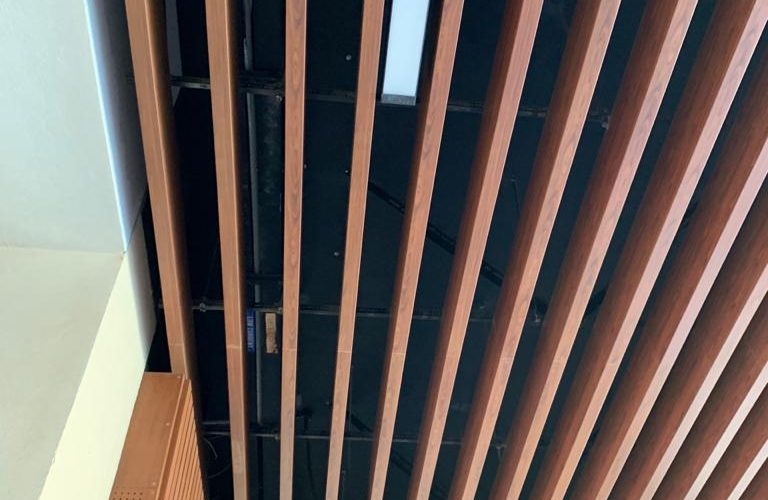
Choosing the right combination of suspension ceilings and interior lighting can elevate the aesthetic and functionality of a space. Perfectly pairing these elements is essential for creating an inviting and well-lit environment that meets both style and practical needs.
Let us explore some key considerations and tips for achieving a harmonious design.
What are Suspension Ceilings?
A suspension ceiling, often called drop ceilings or false ceilings, are secondary ceilings installed beneath the primary structure. They serve both aesthetic and functional purposes, such as concealing wiring, enhancing acoustics, and improving insulation. With a variety of material options like gypsum, metal, or wood, suspension ceilings offer flexibility in design to suit diverse interior themes.
Role of Lighting in Interior Design
Lighting plays a critical role in defining the mood, highlighting architectural features, and ensuring the functionality of a space. Whether warm and ambient lighting in living rooms or bright, task-oriented lighting in offices, every choice impacts how an interior is perceived. Selecting lighting fixtures that complement the design and materials of the suspension ceiling can create a cohesive look.
Tips for Matching Suspension Ceilings with Lighting
1. Consider the Ceiling Material
The material of the suspension ceiling often dictates the type of lighting that works best. For example, lightweight gypsum ceilings pair well with recessed lighting, which blends seamlessly into the surface. On the other hand, metal or wood panels may benefit from spotlights or pendant lights to highlight their texture and sheen.
2. Evaluate the Room’s Function
The purpose of the room should guide your combination of ceiling and lighting. For offices, an even distribution of light through LED panels integrated into the ceiling is ideal. Similarly, for dining spaces, suspended pendant lights over the ceiling can provide a focal point that enhances the ambiance.
3. Play with Levels and Depth
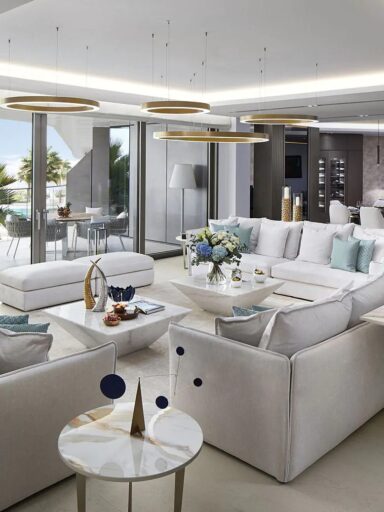
Suspension ceilings allow for the creation of layers, which can be accentuated through cove lighting, strip LEDs, or hidden fixtures. Multi-level ceilings combined with such lighting effects create depth and enhance the visual interest of larger spaces.
4. Choose Color and Temperature Wisely
The color palette and light temperature should enhance the ceiling’s design without overwhelming the space. Warm light often works well with wooden finishes, while cooler tones can complement modern metal ceilings.